The music industry has undergone a dramatic transformation in recent years, driven by digital technology, streaming platforms, and evolving consumer behavior. From production and distribution to promotion and audience engagement, music trends are constantly reshaping the way artists create, share, and monetize their work. Understanding these trends provides valuable insights into the future of music as both an art form and a global business.
One of the most significant trends is the dominance of streaming platforms. Services like Spotify, Apple Music, YouTube Music, and Amazon Music have shifted how audiences access songs, offering on-demand streaming instead of physical purchases. Playlists, algorithm-driven recommendations, and personalized content have become central to how listeners discover new artists and tracks, influencing production and marketing strategies.
Independent artists and direct distribution have also gained prominence. Digital platforms allow musicians to release songs without relying on traditional record labels, giving them creative freedom and access to global audiences. Social media channels like Instagram, TikTok, and YouTube have become powerful tools for promotion, enabling artists to connect directly with fans, create viral content, and build loyal communities.
Short-form content and viral trends are shaping how music gains popularity. Platforms like TikTok and Instagram Reels have turned snippets of songs into global hits, influencing chart performance and streaming numbers. Memes, challenges, and dance trends amplify audience engagement, making music consumption interactive and participatory.
Genre blending and collaboration are also defining features of modern music trends. Artists are experimenting with hybrid genres, merging pop, hip-hop, electronic, classical, and world music to create innovative sounds. Collaborations between artists from different regions, cultures, and styles reflect globalization, expanding audiences and enriching the musical landscape.
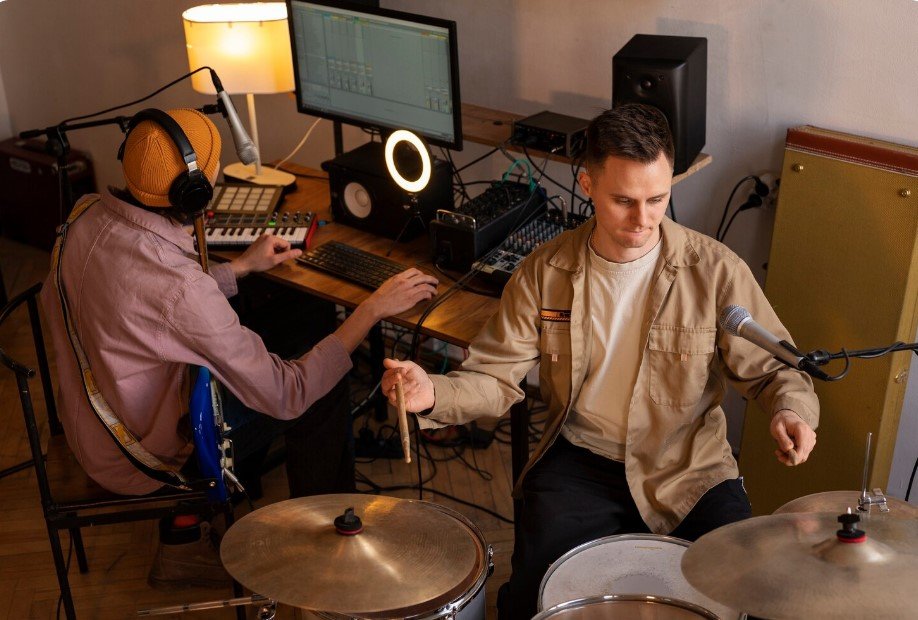
Technology continues to influence production and creativity. AI-assisted music composition, digital audio workstations, virtual instruments, and advanced sound engineering tools allow artists to experiment with sounds, enhance production quality, and streamline the creative process. Virtual concerts and immersive audio experiences further transform the way audiences engage with music.
Monetization strategies are evolving alongside trends. Beyond streaming revenue, artists generate income from merchandise, live performances, brand collaborations, and exclusive content subscriptions. Crowdfunding and fan-supported platforms empower emerging musicians to sustain careers independently, fostering a more diverse and accessible music ecosystem.
Despite these advancements, challenges persist. Oversaturation, copyright issues, and platform revenue distribution remain significant concerns for artists and the industry. Balancing commercial viability with artistic integrity is essential to maintaining long-term sustainability.
In conclusion, music industry trends reflect a rapidly changing landscape fueled by technology, globalization, and audience engagement. Streaming dominance, viral trends, genre innovation, and digital distribution are redefining how music is created, shared, and consumed. As the industry continues to evolve, artists and audiences alike are shaping a dynamic and inclusive future for music worldwide.